RESTAURANT TECH · 2026-11-14 · 5 min read
What Is a White Label App and Why Restaurants Love It
By Saqib Usman, Full Stack Developer
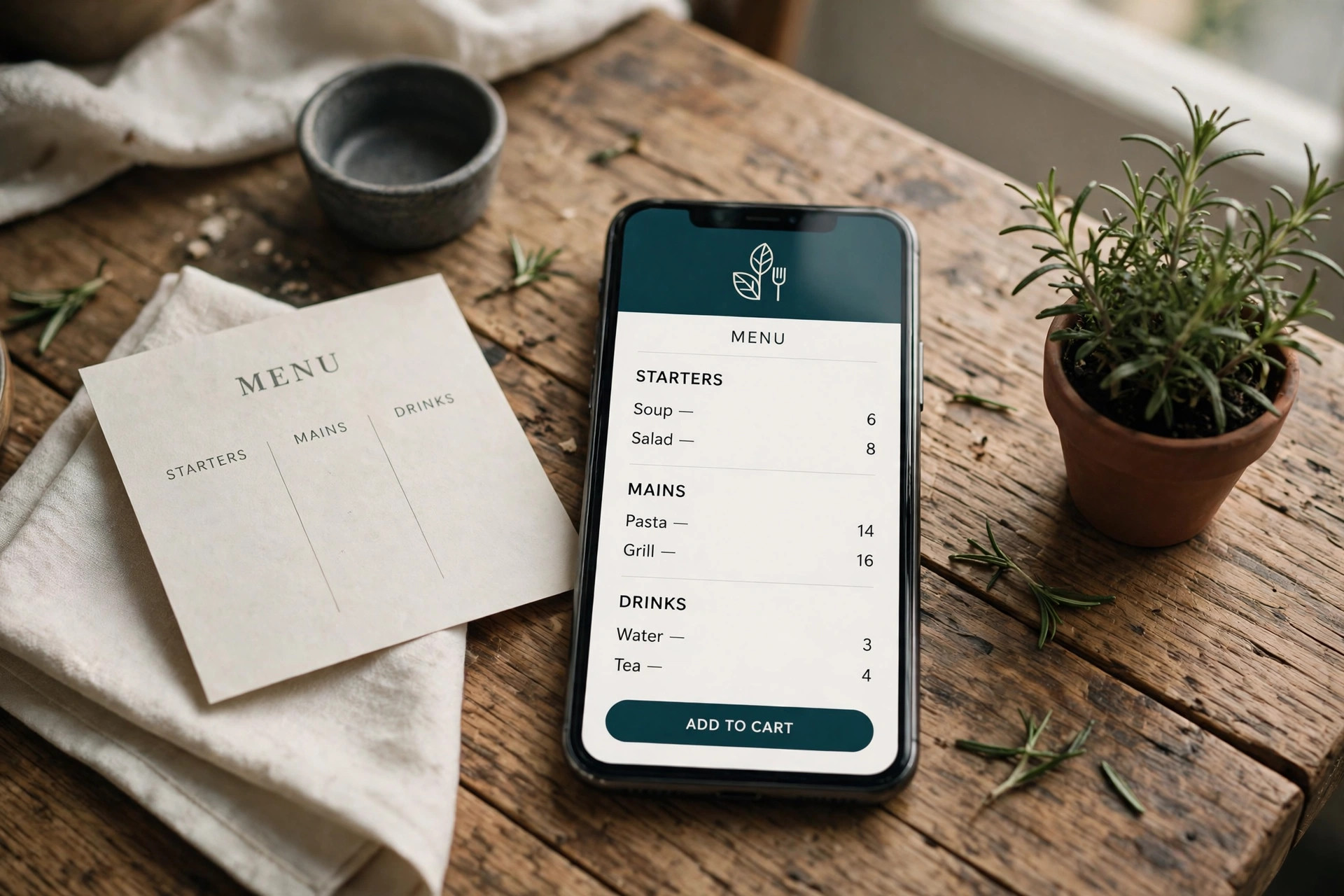
Ask a regular customer how they order from your restaurant and the answer is usually a marketplace app. They open it, find your restaurant among a hundred others, place the order, and pay. The food is yours, the customer experience is not. A white label app changes that. It is your restaurant's own app, with your name on it, your logo, your menu and your prices, built on ready-made technology so you do not pay to build an app from scratch.
What white label actually means
White label means the technology is built once and rebranded for each restaurant. The ordering flow, the payments, the kitchen notifications and the rider tracking already exist and already work. What changes is the branding: your restaurant's name on the app icon, your colours, your menu, your delivery areas and your prices. To the customer, it feels like an app you built yourself. Behind the scenes, you are using proven software instead of funding a new development project.
Why restaurants love it
The first reason is money. Marketplace apps take 20 to 30 percent of every order. On your own app, that commission disappears. The second reason is the customer. When someone orders through a marketplace, that customer belongs to the marketplace. You cannot message them, offer them a deal, or even see their name. With your own app, every order builds your customer list, and that list is the most valuable asset a restaurant can own.
- No commission on every order, so the margin stays with the restaurant
- Customers order directly, and you keep their details and order history
- Your menu, your prices and your offers, with no competitor listed beside you
- Loyalty rewards and reminders that bring people back without paying for ads
- Your brand on the customer's phone, seen every time they want to order
What a good white label app includes
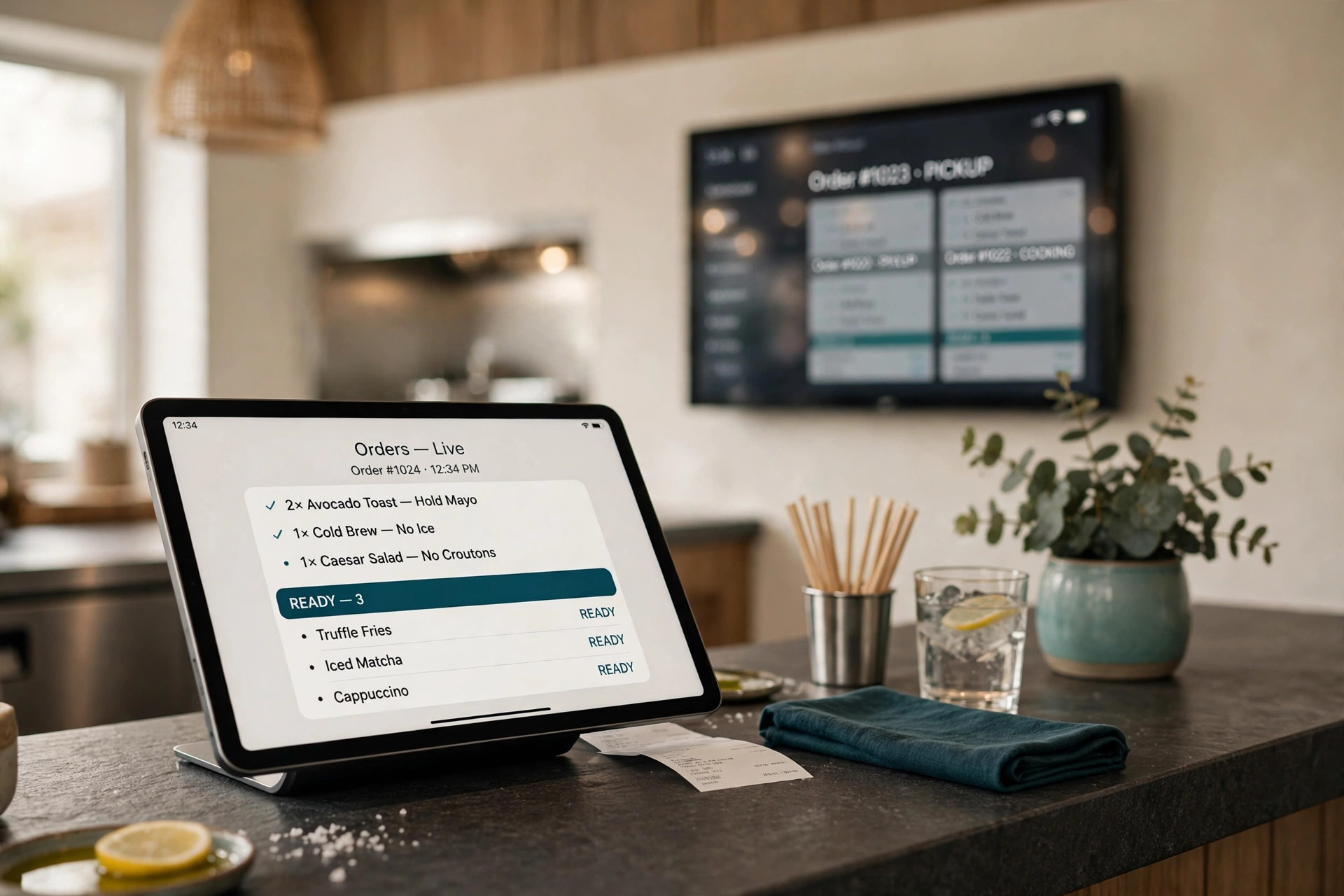
A white label app is more than a menu on a phone. Customers should be able to browse dishes, customise an order, pay by card or wallet, and track their delivery. On your side, orders should land on the kitchen display, riders should get their deliveries, and you should see sales and best sellers at a glance. A good setup also includes an admin panel where you can change prices, add a dish, run an offer or pause delivery, all without calling a developer.
White label vs building from scratch

Building an app from scratch gives you complete control, but it costs far more and takes months before the first order arrives. A white label app gives you the features a restaurant actually needs, ready to launch in weeks, at a fraction of the cost. The trade-off is that you work within an existing system rather than designing every screen yourself. For most restaurants, that is a good trade. The goal is to take orders and keep customers, not to own a unique piece of software.
How to launch it without disrupting the restaurant
Start by putting the app on your menu, your tables and your delivery bags, and offer a small discount on the first direct order. Keep the marketplace listings running for discovery, because new customers still find you there. The aim is to move repeat customers to your own app, one order at a time. A customer who orders directly once and gets a loyalty reward is a customer who has a reason to come back to your app instead of the marketplace.
- Put the app link on menus, tables, receipts and delivery bags
- Offer a small discount on the first order placed in your own app
- Keep marketplace listings for new customers, and move repeat customers to your app
- Add loyalty points or a free item after a set number of orders
- Tell regulars about the app in person, not just online
The question to ask before you choose one
Not every white label app is equal. Before you commit, check a few things: does the customer pay through your own accounts, do you own the customer data, can you change the menu yourself, and what happens if you want to leave? The answers matter more than the price. A cheap app that locks your customers and your data inside someone else's system is not a bargain.
A white label app is the simplest way for a restaurant to own its ordering. The marketplace will always be useful for finding new customers. But the orders, the customer list and the profit should belong to the restaurant, and that is exactly what your own branded app gives you.
Keep reading.

Want something like this built?
I build restaurant systems, business websites and web platforms for clients. Tell me about your project and I will get back to you.
Start a project →